About us
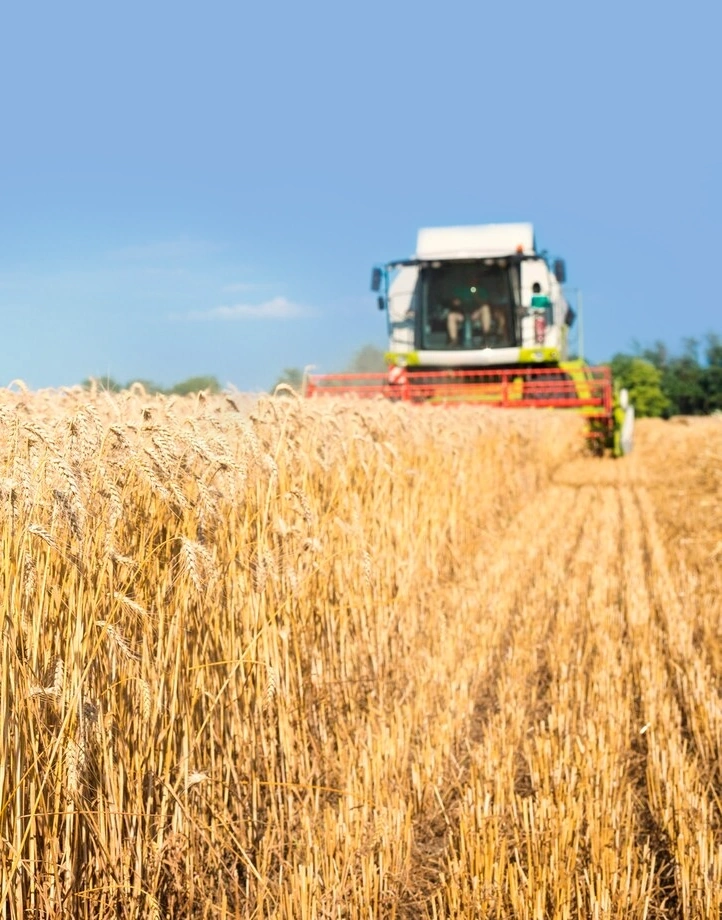
Agricultural products play a critical role in ensuring global food security, supporting economic stability, and sustaining livelihoods. These products encompass a wide range, from staple crops to livestock and their by-products. Agricultural outputs such as wheat, rice, and corn, along with fruits, vegetables, and animal products like meat, milk, and eggs, fulfill the essential nutritional needs of humanity.
Agricultural activities are deeply intertwined with environmental sustainability principles. Modern agriculture faces the dual challenge of enhancing productivity while minimizing environmental impacts. Sustainable approaches such as precision agriculture, genetically modified organisms (GMOs), crop rotation, and organic farming have transformed how farmers manage soil and resources. These innovations aim to optimize yields while preserving soil health, maintaining biodiversity, reducing water usage, and limiting chemical inputs.
As a team, we place great emphasis on sustainability and environmentally conscious production. We actively promote the expansion of organic farming and strive to minimize chemical inputs by integrating innovative agricultural techniques into our business model. Every challenge we encounter is approached with a solution-oriented mindset, developing innovative strategies within our capacity to address sectoral issues. We believe that sustainable agriculture is essential not only for ecosystems but also for societal well-being. Guided by this belief, we diligently implement environmentally and socially responsible production processes.
Global agricultural trade plays a strategic role in balancing supply and demand. Countries with surplus production export goods to nations facing challenges in meeting their needs due to limited arable land, unfavorable climate conditions, or economic constraints. Major exporters like the United States, Brazil, and India significantly contribute to international markets with products like soybeans, corn, and rice. This interconnectedness underscores the importance of maintaining stable trade policies and efficient distribution networks.
However, the agricultural sector faces significant challenges. Climate change, variable weather conditions, and increased natural disasters pose serious threats to production processes. Droughts, floods, and rising temperatures disrupt traditional farming cycles and heighten vulnerabilities in sensitive regions. In response, researchers and policymakers are exploring adaptive strategies, such as developing drought-resistant crop varieties and implementing climate-smart agricultural techniques.
Our team is actively engaged in developing resilient production methods to address these challenges. By analyzing environmental factors, we shape our production strategies and secure both the environment and our operations through climate-friendly practices. Sustainability is at the core of our business model, driving our flexible and solution-oriented approach to mitigate environmental risks.
Feeding the rapidly growing global population is another critical issue. By 2050, the global population is expected to reach approximately 10 billion, necessitating a significant increase in food production. Meeting this demand requires not only boosting production but also reducing post-harvest losses and food waste. Currently, about one-third of globally produced food is lost or wasted along the supply chain. Addressing this inefficiency involves improving storage facilities, optimizing logistics systems, and conducting consumer awareness campaigns.
Sustainability remains at the heart of future agricultural developments. Consumers are increasingly demanding ethically sourced and environmentally friendly products, prompting a shift toward more responsible production methods. Organic farming, regenerative agriculture, and fair trade initiatives reflect this growing emphasis on ethical practices. Moreover, urban and vertical farming offer innovative solutions for producing fresh goods in densely populated areas, reducing transportation costs, and enhancing local resilience.
In conclusion, agricultural products are indispensable for human survival and economic prosperity. As the sector evolves to confront emerging challenges, collaboration among governments, scientists, businesses, and communities will be crucial. Our team is committed to embracing innovation, promoting sustainability, and ensuring equitable access to resources. Through these core values embedded in our business model, we aim to build a resilient and sustainable agricultural system that can nourish the planet now and in the future. Agriculture is not just an economic activity but a lifeline that connects us to nature and ensures the welfare of future generations.
What we do
Agriculture
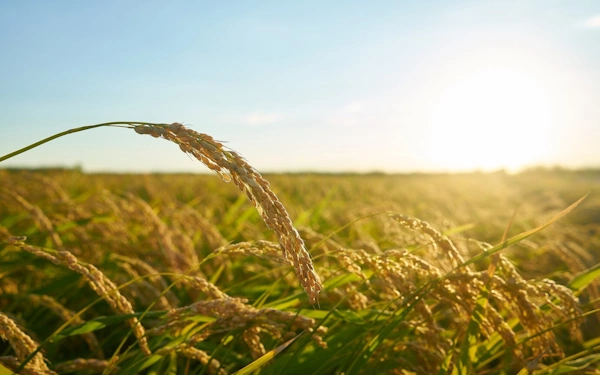
Agriculture plays an important role in human life. Our primary focus is on providing financial assistance to agricultural producers. We recognize that the banking terms for loan approvals and processing can often be challenging for small and medium-sized farmers. Therefore, our credit support is tailored to align with their needs, using the upcoming harvest as the basis for repayment. We empower farmers with the flexibility to utilize the funds as they see fit, whether it's for purchasing fertilizers, acquiring plant protection products, or repairing equipment.
Products
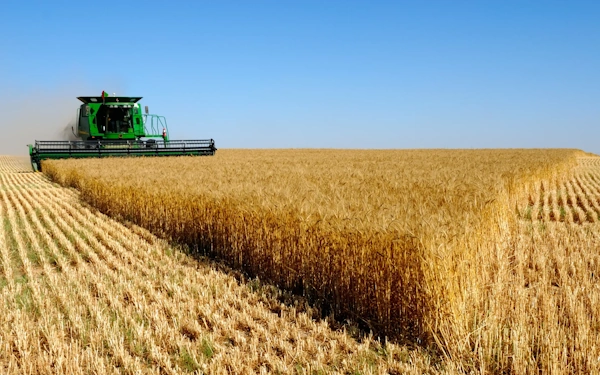
The landscape of food products is ever-growing, and our expertise lies in the trade of grain crops. We also offer a diverse range of products, including flour, cereals, bulgur and dry legumes. The flour milling industry is integral to the global economy, as wheat flour serves as a fundamental staple. Our contract mills possess the ability to tailor flour quality to align with consumer tastes and the preferred types of bread in various regions around the world. Independent laboratories have verified through testing that our wheat flour meets international quality standards. Meanwhile, the coffee industry and its culture are in a state of continuous evolution, with a rising global demand for this beloved beverage. The primary coffee varieties cultivated in key coffee-producing regions are Arabica and Robusta. We serve wholesalers and retailers by supplying coffee beans from renowned origins such as Colombia, Costa Rica, Brazil, Ethiopia, Cameroon, Kenya, and each offering unique qualities, aromas, and flavors.
Fertilizer
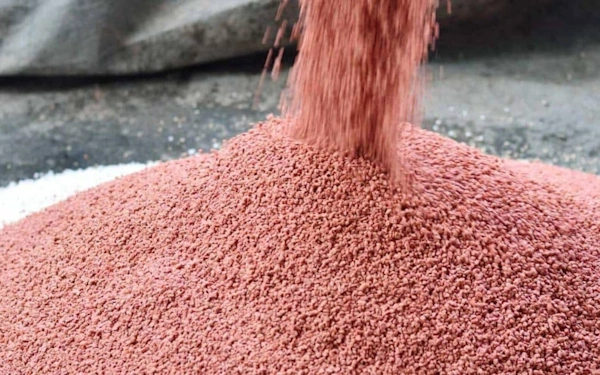
It has been known since ancient times that the use of mineral fertilizers is a necessary condition for obtaining high and sustainable crop yields. To preserve the vital conditions for the existence and development of soil organisms, it is essential to keep the soil structure intact. Our research is centered on fertilizer initiatives that identify and encourage the use of the most suitable compounds for soil enhancement, facilitating its prompt recovery. In contemporary agriculture, farmers depend on fertilizers to protect biodiversity while enhancing crop production on their farms.
Logistics
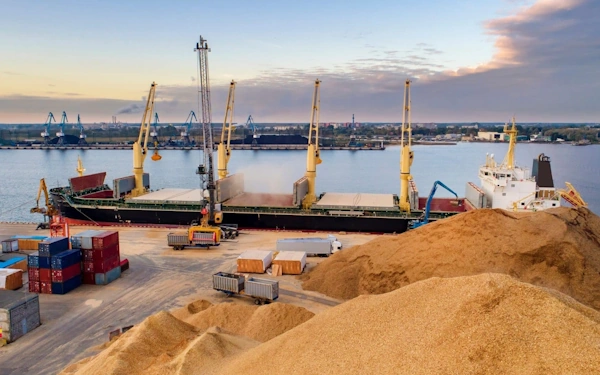
The effective functioning of contemporary businesses is significantly dependent on streamlined logistics. Process-focused end users frequently demand substantial cargo volumes and prefer partnerships with suppliers who possess robust maritime logistics capabilities. Consequently, our expertise lies in chartering liquid vessels for the secure transportation of agricultural commodities, including grains, oilseeds, under CIF/CFR terms from their countries of origin to ports that best suit our clients' needs. Moreover, our highly efficient warehouse logistics facilitate the storage of grain cargo at seaports through local operators, enabling us to provide cargo on a DAP basis in any quantity. This arrangement allows buyers to receive their required shipments promptly and in the desired volume, enhancing their operational efficiency and satisfaction.
Products
Grains
Milling Wheat
| Characteristics | Quality specification |
|---|---|
| Moisture: | max 14,0% (ISO 712) |
| Test weight: | min 77 – 79 kg/hl (ISO 7971-3) |
| Falling number: | min 230 - 400 sec (Hagberg / ISO 3093) |
| Wet gluten: | min 23,0% - 32,0% (ISO 21415-1) |
| Foreign matter: | max 1,0% - 2,0% |
Yellow corn
| Characteristics | Quality specification |
|---|---|
| Moisture: | max 14,5% (EN 742) |
| Broken kernels: | max 5,0% (EN 742) |
| Damaged kernels: | max 5,0% (incl.heat damaged max 2,0% – EN 742) |
| Foreign matter: | max 2,0% (EN 742) |
Flaxseeds
| Characteristics | Quality specification |
|---|---|
| Moisture: | max 9,0% (ISO 665:2000) |
| Oil content: | min 40,0% (ISO 659:2009) |
| Foreign matter: | max 3,0% (ISO 658:2002) |
| Free fatty acids: | max 2,0% (ISO 660:2009) |
Soybeans
| Characteristics | Quality specification |
|---|---|
| Protein (as is): | basis 33,0% but min 32,0% (ISO 5983-1:2005/Cor.1:2008) |
| Oil content (as is): | min 18,5% (ISO 659:2009) |
| Moisture: | max 12,5% (ISO 665:2020) |
| Foreign matter: | max 2,0% (ISO 658:2002) |
Groceries
Bread wheat flour
| Characteristics | Quality specification |
|---|---|
| Gluten: | min 30,0% |
| Protein: | min 12,0% |
| Ash: | max 0,55% |
| Moisture: | max 14,0% |
| Capacity: | 25 mt in 20’ FCL |
Rice
| Characteristics | Quality specification |
|---|---|
| Variety: | Camolino Rapan |
| Grade: | highest |
| Broken: | max 5,0% |
| Chalky: | max 2,0% |
Coffee
Arabica coffee
| Characteristics | Quality specification |
|---|---|
| Moisture: | max 11,5% |
| Black and broken beans: | max 2,0% |
| Foreign matter: | max 0,5% |
| Other coffee beans: | max 0,5% |
| Screen size: | min 90% (sieve 13, 16, 18) |
Robusta coffee
| Characteristics | Quality specification |
|---|---|
| Moisture: | max 12,5% |
| Black and spoiled beans: | max 2,0% |
| Foreign matter: | max 0,5% |
| Other coffee beans: | max 0,5% |
| Screen size: | min 90% (sieve 18) |
Fertilizer
Technical lump sulphur
| Characteristics | Quality specification |
|---|---|
| Sulphur content: | min 99,90% |
| Moisture: | max 0,50% |
| Ash: | max 0,05% |
| Organic compounds: | max 0,05% |
| Acidity (as H2SO4): | max 0,03% |
| Colour: | yellow |
| Mechanical impurities: | not limited |
Сontacts
Phone number
Çınarlı Mah. 61027 Sk. Sunar Nuri Çomu İş Merkezi A Block
Address